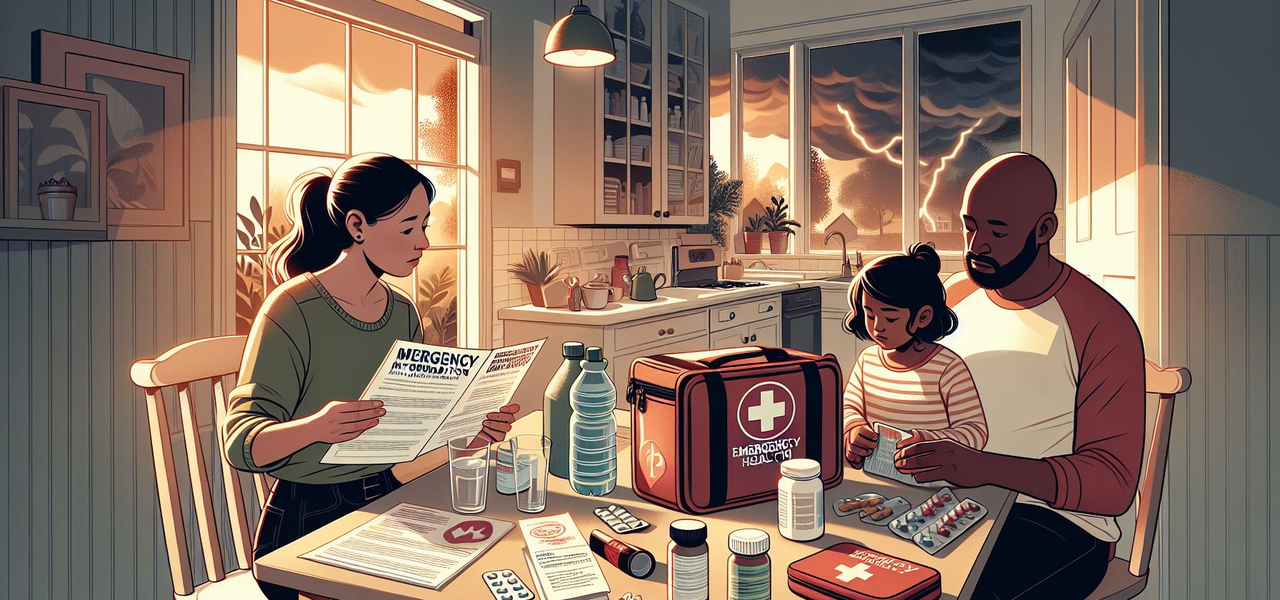
When unforeseen events strike, families are often thrust into situations demanding rapid decision-making under immense pressure. Having critical health information readily accessible can be the difference between calm, effective action and chaotic, potentially dangerous delays. This preparedness extends beyond just physical safety to encompass the vital medical details of every family member, ensuring that healthcare providers can offer appropriate care even if communication is compromised.
The initial moments of an emergency are frequently characterized by confusion and urgency. In these circumstances, recalling complex medical histories, medication dosages, or allergy information can be incredibly difficult. A pre-compiled health information kit acts as a vital resource, allowing caregivers or first responders to quickly grasp essential details without relying on stressed family members to provide accurate data from memory.
Understanding the Risks of Unpreparedness
Failing to organize health information before an emergency presents significant risks. Imagine a scenario where a child with a severe allergy is treated by paramedics unaware of their condition, leading to an adverse reaction. Or an elderly family member, disoriented after an incident, cannot articulate their chronic heart condition, delaying crucial interventions. These situations highlight the potential for misdiagnosis, delayed treatment, and worsened outcomes.

Lack of preparedness can also lead to increased stress and anxiety for family members already dealing with a crisis. The scramble to find medical records or recall details about prescriptions adds an unnecessary burden during an already overwhelming time. This emotional toll can hinder effective decision-making and prolong recovery.
Essential Health Documents to Compile
Creating a comprehensive emergency health file begins with gathering specific documents for each family member. This includes copies of insurance cards, identification, and a list of primary care physicians and specialists with their contact information. Having these basics ensures administrative hurdles can be navigated more smoothly during a crisis.
Beyond identification, it’s crucial to include vaccination records, especially for children, and any relevant travel history. This information can be vital for public health officials during widespread outbreaks or when assessing potential exposure risks in an emergency shelter environment.

Medications and Allergies: A Critical List
A detailed list of all current medications, including dosage, frequency, and the prescribing doctor, is non-negotiable. This list should differentiate between daily maintenance drugs and those taken only as needed. It's also wise to note the pharmacy where prescriptions are usually filled, including their contact details.
Equally important is a clear and concise list of all known allergies, both to medications and environmental factors like food or insect stings. For each allergy, briefly describe the typical reaction. This information can prevent life-threatening allergic responses and guide medical professionals in choosing safe treatments.
Chronic Conditions and Medical History
For individuals with chronic health conditions such as diabetes, asthma, heart disease, or epilepsy, a summary of their condition and current management plan is essential. This summary should include recent test results, if relevant, and any specific instructions from their doctors regarding emergency care for their condition.
A brief medical history, noting past surgeries, significant illnesses, and hospitalizations, provides a broader context for healthcare providers. This historical data can help in understanding current symptoms or predicting potential complications, leading to more informed and effective treatment decisions.
Advance Directives and End-of-Life Wishes
For adults, especially those with serious illnesses or elderly family members, having advance directives like a Living Will or Durable Power of Attorney for Healthcare is paramount. These legal documents articulate wishes regarding medical treatment should they become incapacitated and unable to communicate their preferences.
Discussing and documenting end-of-life wishes in advance, even if difficult, ensures that family members and medical professionals respect an individual's autonomy during a crisis. These documents reduce the burden on loved ones to make agonizing decisions without clear guidance.
Secure Storage and Accessibility
Once all this vital information is compiled, the next step is ensuring its secure yet accessible storage. Physical copies should be kept in a waterproof, fireproof container that is easy to grab in an evacuation. Consider a "go-bag" specifically for these essential documents.
In addition to physical copies, digital backups are highly recommended. Encrypted files stored on a USB drive or in a secure cloud service can provide redundancy. This dual approach ensures that even if one form of storage is compromised, the information remains available.
Digital Estate Planning and Health Data
In today's digital age, our health information often extends beyond physical documents to online portals and electronic health records. Safeguarding access to these digital assets, including healthcare accounts, is an increasingly important aspect of emergency preparedness. This is where comprehensive digital estate planning becomes crucial.
Managing access to digital health records, online prescription accounts, and even communication channels with healthcare providers can be complex. In an emergency, ensuring authorized family members can access these systems without delay is vital. Cipherwill offers a robust solution for managing and securely transferring access to digital assets, including sensitive health-related accounts, to designated individuals. This proactive approach ensures that your digital health footprint is as protected and accessible as your physical documents, providing peace of mind during any crisis. For further reading on protecting digital assets, including those related to health, consider exploring resources like Protecting Your Cryptocurrency with a Digital Will.
Communication and Family Drills
Compiling information is only half the battle; ensuring everyone in the family knows where it is and understands the emergency plan is equally important. Regular family discussions about emergency procedures, including where to find the health information kit, can significantly improve response times.
Conducting periodic drills, such as practicing an evacuation or reviewing what to do if someone falls ill, reinforces these plans. These drills help identify weaknesses in the plan and allow for adjustments, making the real-world response smoother and more efficient.
Real-World Examples and Best Practices
Consider the example of Hurricane Katrina, where many families were separated without essential medical information, leading to significant challenges in providing care. Those who had prepared a waterproof "grab-and-go" binder with medical histories, medication lists, and emergency contacts fared much better.
Another best practice is to carry a small, laminated card in wallets or purses for each family member, summarizing critical information like allergies, major medical conditions, and an emergency contact number. This "mini-medical ID" can be invaluable to first responders.
Review and Update Regularly
Health information is not static; it changes over time. Medications are adjusted, allergies can develop, and medical conditions evolve. It is imperative to review and update your family's emergency health information at least once a year, or whenever there's a significant change in anyone's medical status.
Set a reminder, perhaps coinciding with an annual doctor's visit or a birthday, to go through the entire kit. Discard outdated information and add new details to ensure the kit remains accurate and relevant, providing the most current data when it's needed most.
Involving Children and Vulnerable Adults
When preparing health information, involve children in an age-appropriate manner. Teaching them their full name, address, and an emergency contact number can be empowering. For vulnerable adults, ensure their specific needs, communication challenges, and care requirements are clearly documented.
For individuals with cognitive impairments, visual aids such as picture cards illustrating their medications or daily routines can be incredibly helpful for caregivers or emergency personnel. These small details can make a significant difference in their care during a crisis.
Collaboration with Healthcare Providers
Inform your primary care physician and any specialists that you are compiling an emergency health information kit. They may offer valuable suggestions or provide printouts of your medical records in a format suitable for your kit. This collaboration ensures accuracy and completeness.
Some healthcare providers offer patient portals where you can access and print your health records. Leveraging these digital resources can streamline the process of gathering and updating information, making it easier to maintain a current and comprehensive emergency file.
Conclusion
Proactive preparation of family health information is a cornerstone of effective emergency readiness. It mitigates risks, reduces stress, and ultimately enhances the safety and well-being of loved ones during crises. By meticulously compiling, securely storing, and regularly updating this vital data, families can face unforeseen challenges with greater confidence and resilience, ensuring that critical medical needs are met swiftly and appropriately.
---
FAQ
Q: What is the most critical piece of health information to have in an emergency?
A: While all information is important, a concise list of all current medications (with dosages), known allergies (with reactions), and any life-threatening chronic conditions is paramount. This allows first responders to make immediate, informed decisions.
Q: How often should I update my family's emergency health information?
A: It should be reviewed and updated at least annually, or immediately following any significant health changes, new diagnoses, medication adjustments, or surgeries for any family member.
Q: Where is the safest place to store physical copies of emergency health documents?
A: Store physical copies in a waterproof, fireproof, and easily accessible container (like a "go-bag") that can be quickly grabbed during an evacuation. This should be known to all responsible adults in the household.
Q: Should I include copies of insurance cards?
A: Absolutely. Include copies of all health, dental, and vision insurance cards for every family member, along with policy numbers and contact information for the insurance providers.
Q: Is it necessary to include vaccination records?
A: Yes, especially for children. Vaccination records can be crucial for school enrollment after displacement or for public health assessments during widespread emergencies or disease outbreaks.
Q: What about digital copies of health information?
A: Digital backups are highly recommended. Store encrypted files on a secure USB drive and consider a reputable, secure cloud storage service. Ensure designated family members know how to access these.
Q: How can I ensure my digital health accounts are accessible in an emergency?
A: Utilize a digital estate planning service to securely manage and transfer access credentials for online health portals, prescription services, and other digital health assets to trusted individuals.
Q: What role do advance directives play in emergency preparedness?
A: Advance directives (like Living Wills or Durable Power of Attorney for Healthcare) ensure that an individual's wishes regarding medical treatment are respected if they become incapacitated, reducing difficult decisions for family members.
Q: How can I involve children in emergency health preparedness?
A: Teach them their full name, address, and an emergency contact number. Explain, in age-appropriate terms, why having this information is important and where the family's emergency kit is located.
Q: Should I share my emergency health information with anyone outside my immediate family?
A: Consider sharing a summary of critical information (allergies, major conditions, emergency contacts) with trusted neighbors, close friends, or school personnel, especially if they are frequent caregivers. Always prioritize privacy and security.